

ArticleSep 23, 2026
Claude Opus 5.5 Examples: 8 Real-World Demos That Show What Changed
See real Claude Opus 5.5 examples from coding, Three.js, pixel art, multi-agent research, code migration, and enterprise workflows.
Read article
Latest reviews, launch notes, workflow guides, and insights across the AI IDE ecosystem.
 AI Coding AgentsAI VideoConsumer AIFastVLMGPT-OSSLocal AIOpen-Weight ModelsTRAETraeIDE ArchiveTraeIDE GuidesClaude CodeCodexDeveloper WorkflowsAI BuildersBrowser AgentsAgent InfrastructureAnthropicCognitionCursorLovableOpen SourceOpenAIReplit
See real Claude Opus 5.5 examples from coding, Three.js, pixel art, multi-agent research, code migration, and enterprise workflows.
Claude Opus 5.5 explained: pricing, benchmarks, Claude Code performance, API changes, context limits, safety, and how it compares with Opus 5.
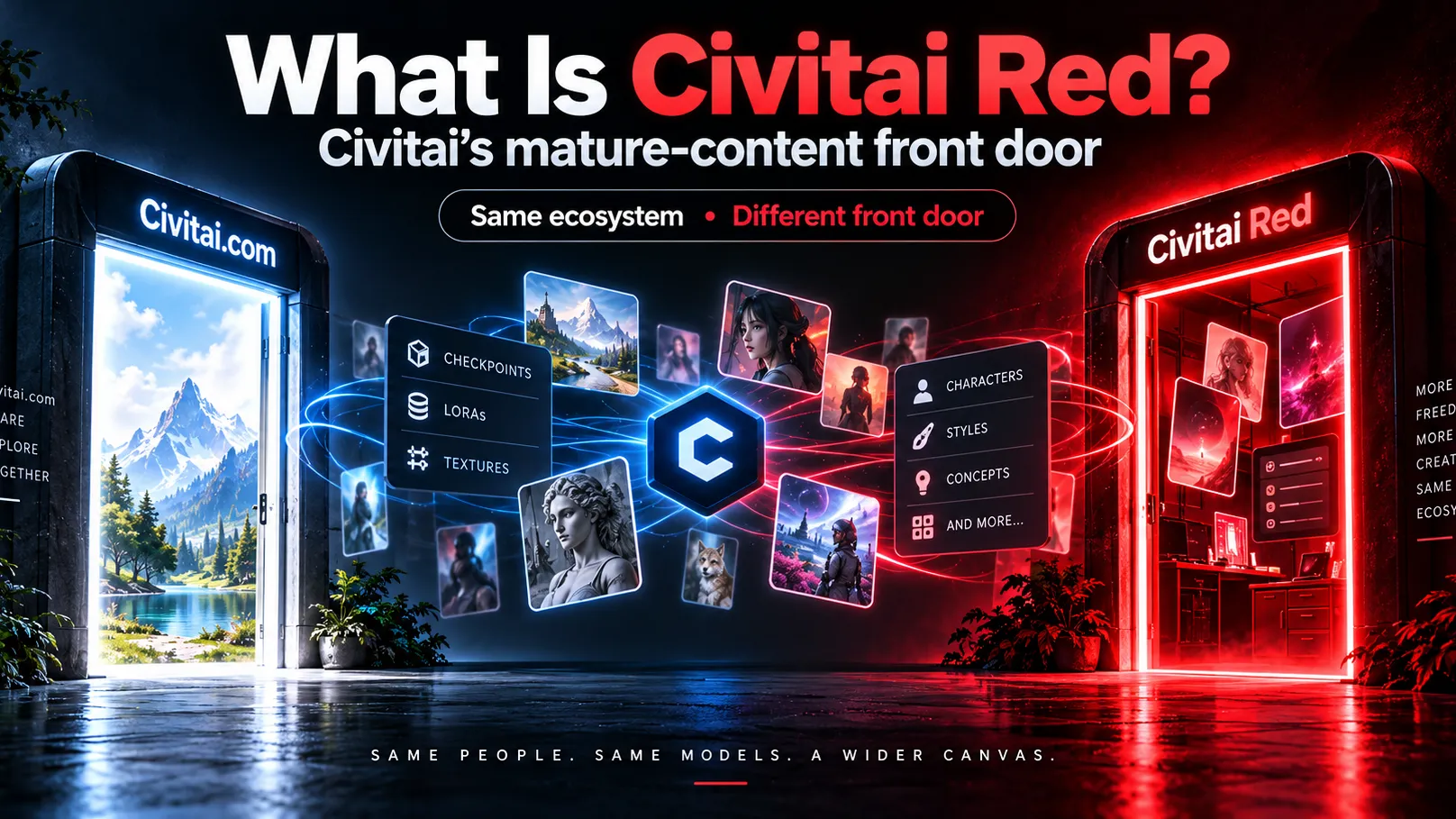
Civitai Red is Civitai’s mature-content domain. Learn how it differs from Civitai.com and how accounts, Buzz, pricing, and access work.

MiMo V2.6 is Xiaomi’s open-weight omnimodal AI family with 1M context, agentic RL, Pro and Flash models, fast inference, and low API pricing.

Dramagic is BytePlus’s enterprise AI platform for turning scripts into assets, storyboards, and video previews with production consistency.
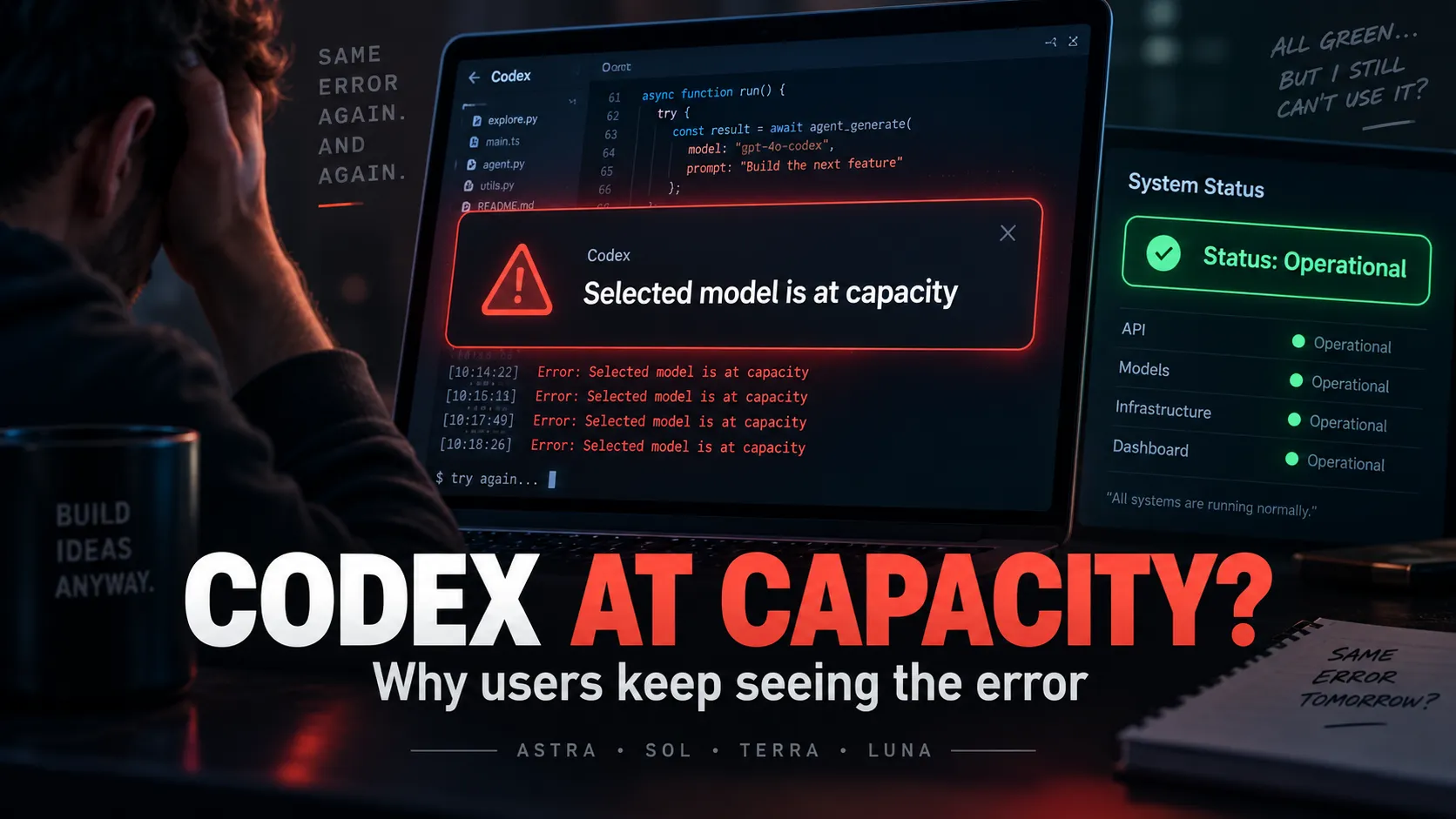
Codex users report repeated model-capacity errors across Astra, Sol and other models even while OpenAI’s status page remains green.
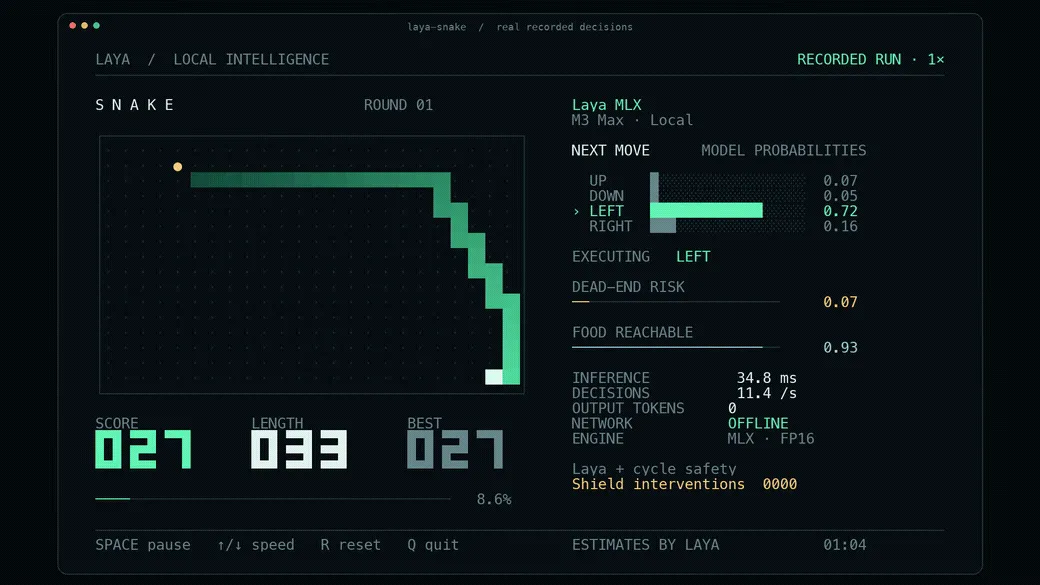
Laya-MLX is a local MLX runtime for typed AI decisions on Apple Silicon. Learn how it works, benchmarks, use cases, limits, and setup.

A reported Fable 5.2 built a Brawl Stars-style Three.js game in one hour. Here is what the demo proves—and what remains unverified.
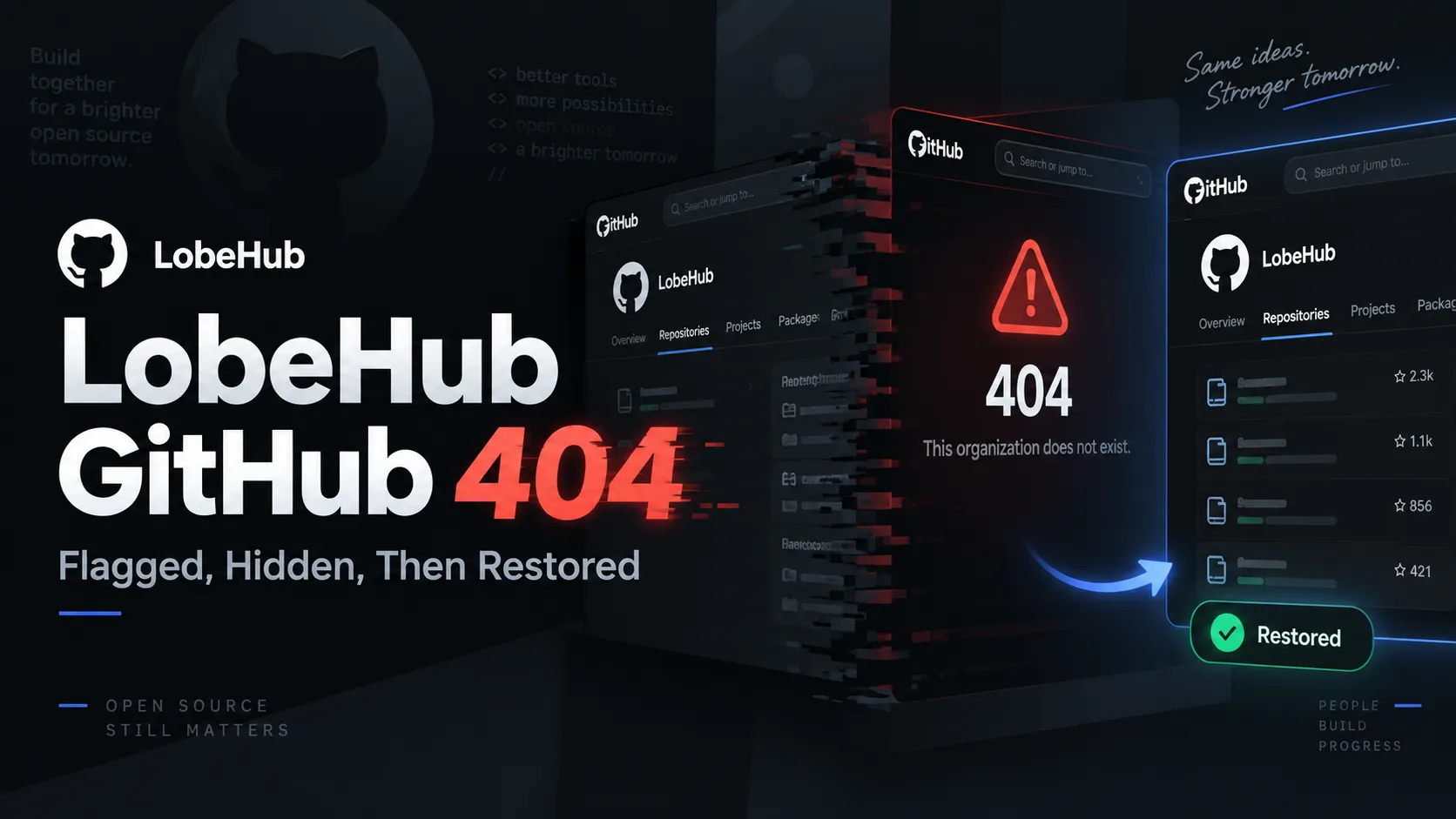
LobeHub’s 82K-star GitHub organization briefly vanished after being flagged. Here’s what happened, what remains unknown, and what teams can learn.
See how Hypit turns reference videos into reusable AI workflows, with real GitHub UGC, podcast and street-interview clone examples.
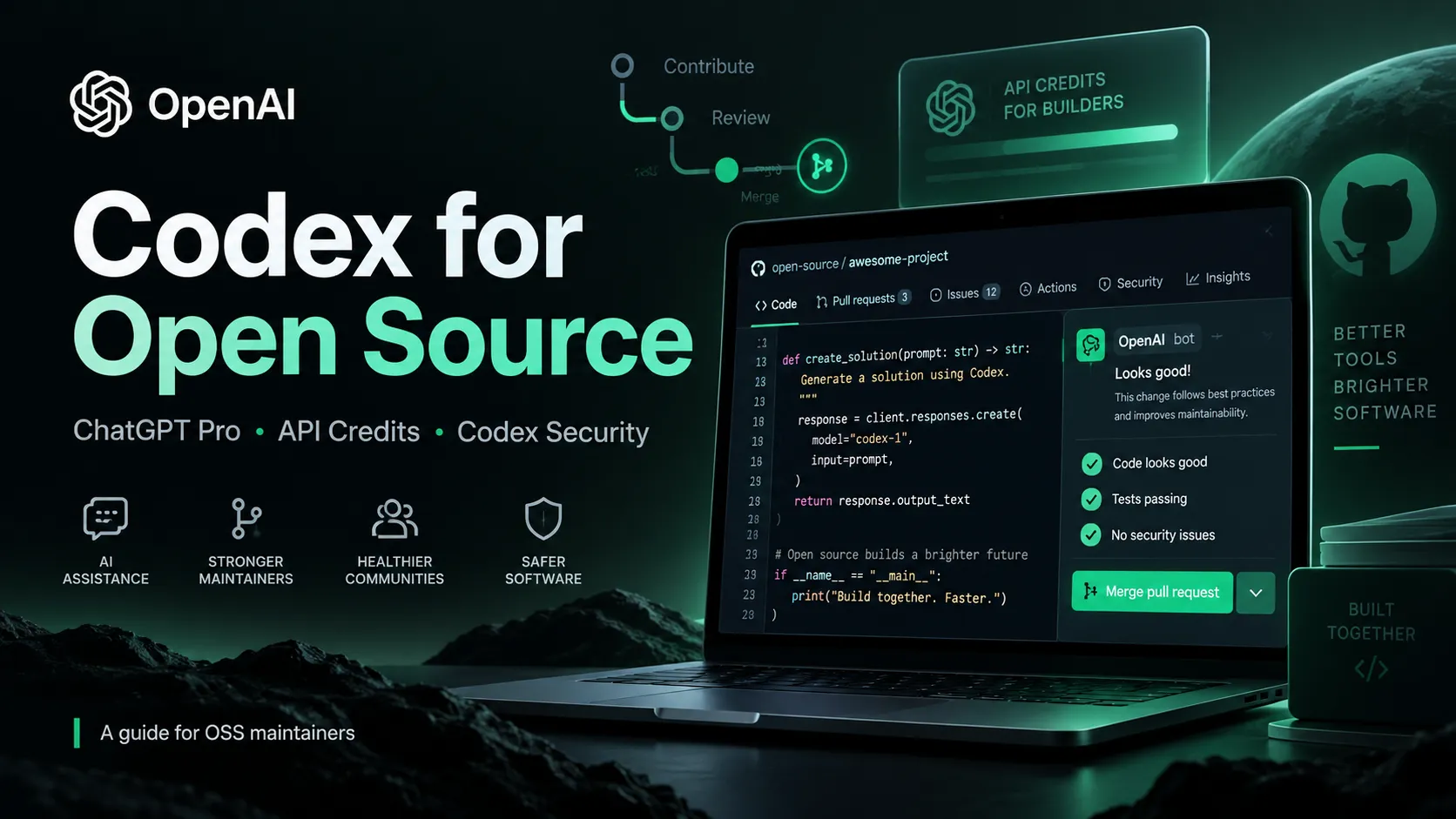
OpenAI Codex for Open Source gives eligible maintainers ChatGPT Pro, API credits, and possible Codex Security access. Here’s how it works.

Hugging Face disabled Audn’s offensive-cyber GLM-5.3 repo. Here’s what is confirmed, what changed, and what remains unproven.
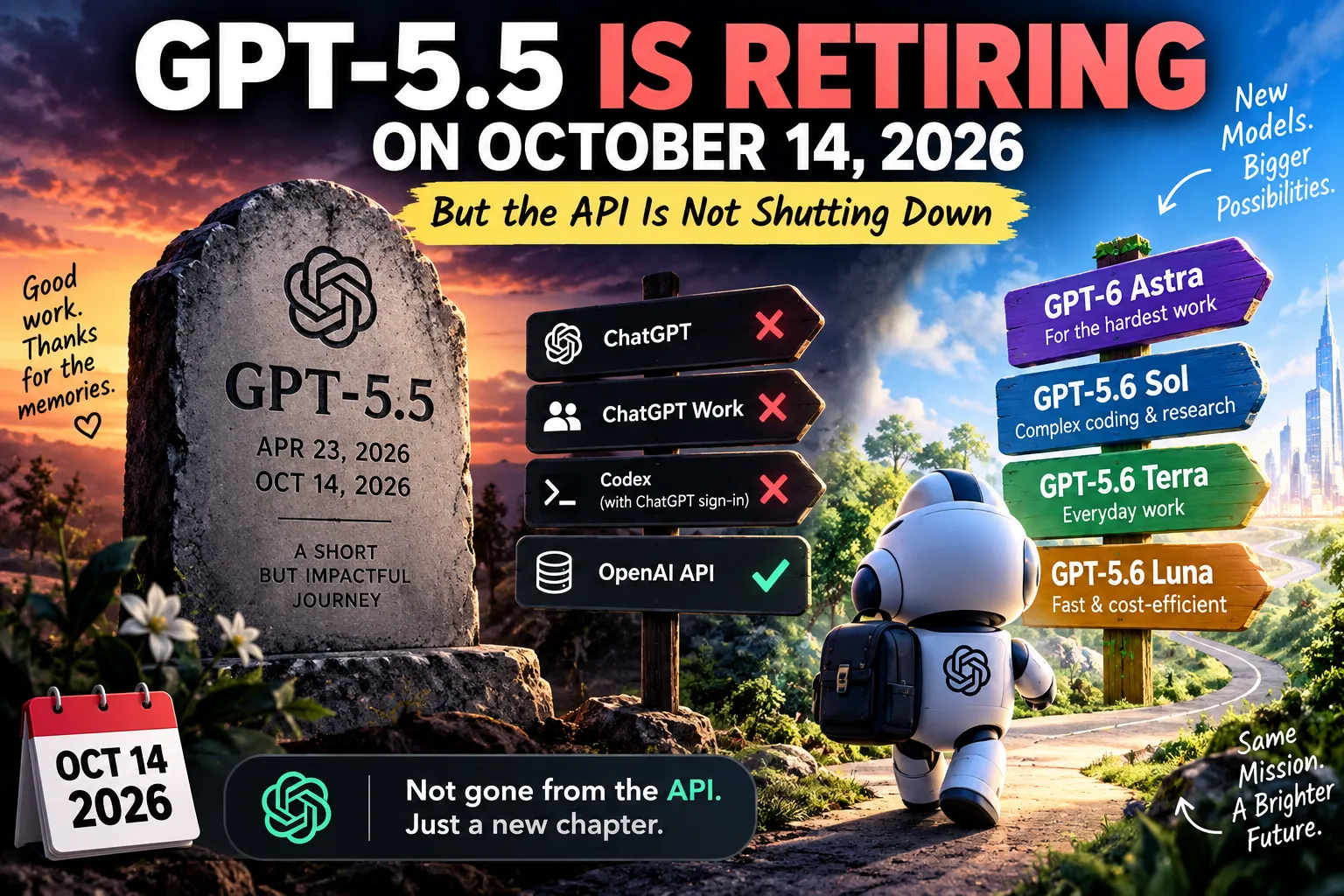
GPT-5.5 leaves ChatGPT, Work, and ChatGPT-signed-in Codex on Oct. 14, 2026—but the API remains available. Here is what to migrate.

A data-backed look at whether $300/month for unlimited Codex makes sense using current limits, developer ROI, credits, and Claude Code pricing.
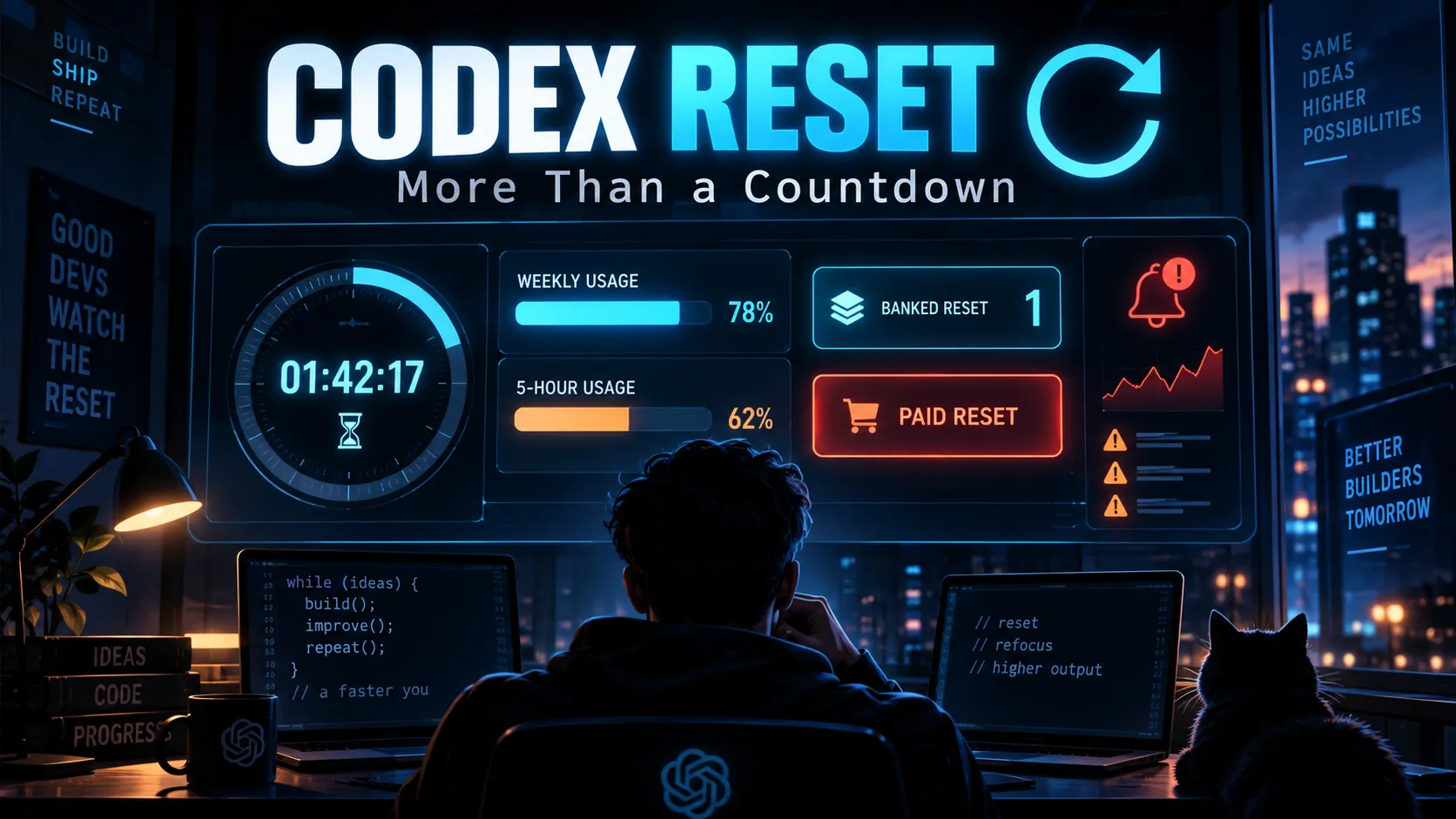
Codex reset demand is growing. See what users want: reset status, banked reset timing, paid resets, alerts, and usage troubleshooting.

GPT-6 Sol is rumored for Thursday. Here’s what OpenAI has confirmed, what remains speculation, and what developers should watch next.
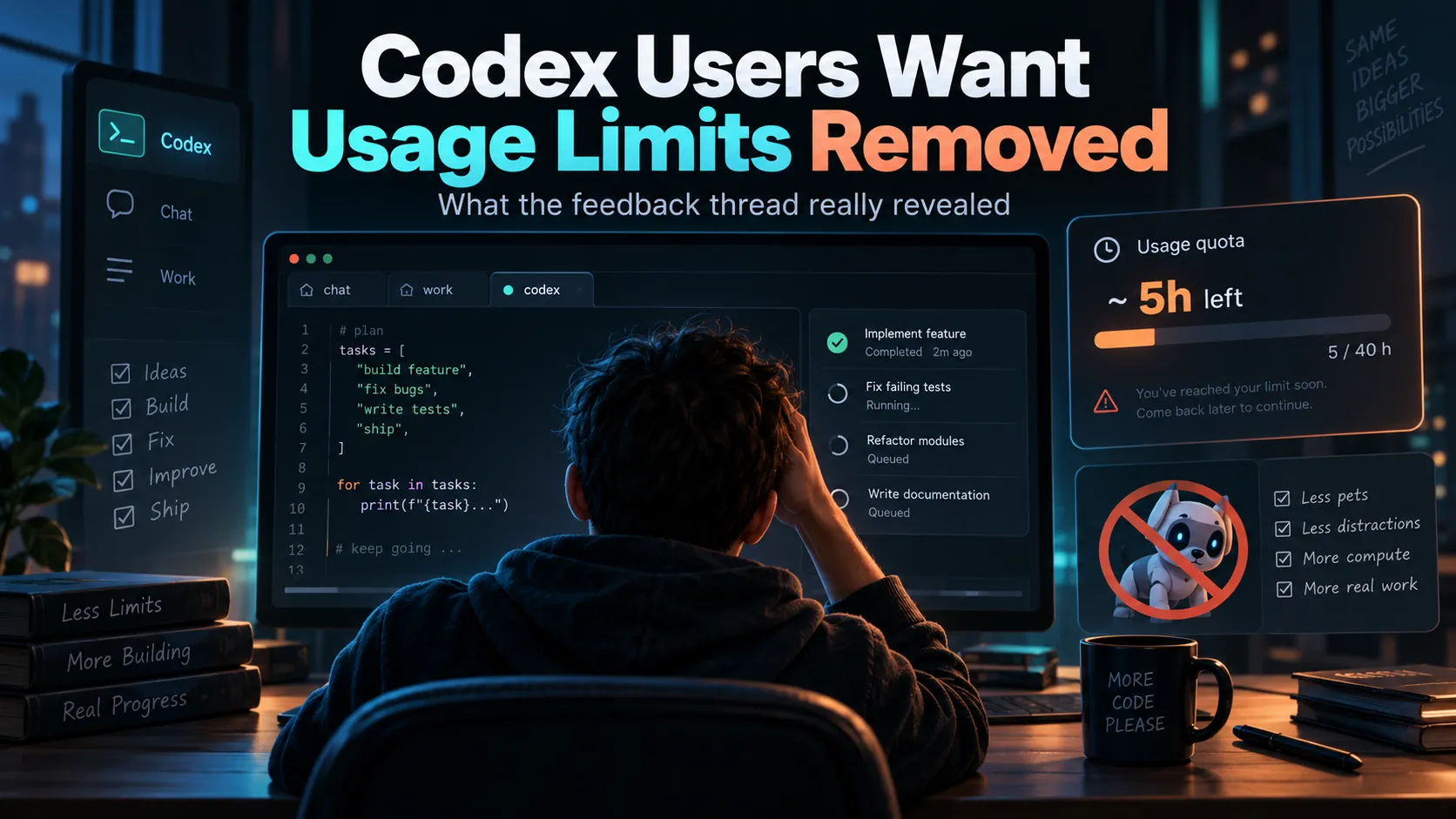
A Codex product feedback thread reveals frustration with usage limits, Pet, Chat vs Work confusion, approvals, quota visibility, and agent UX.
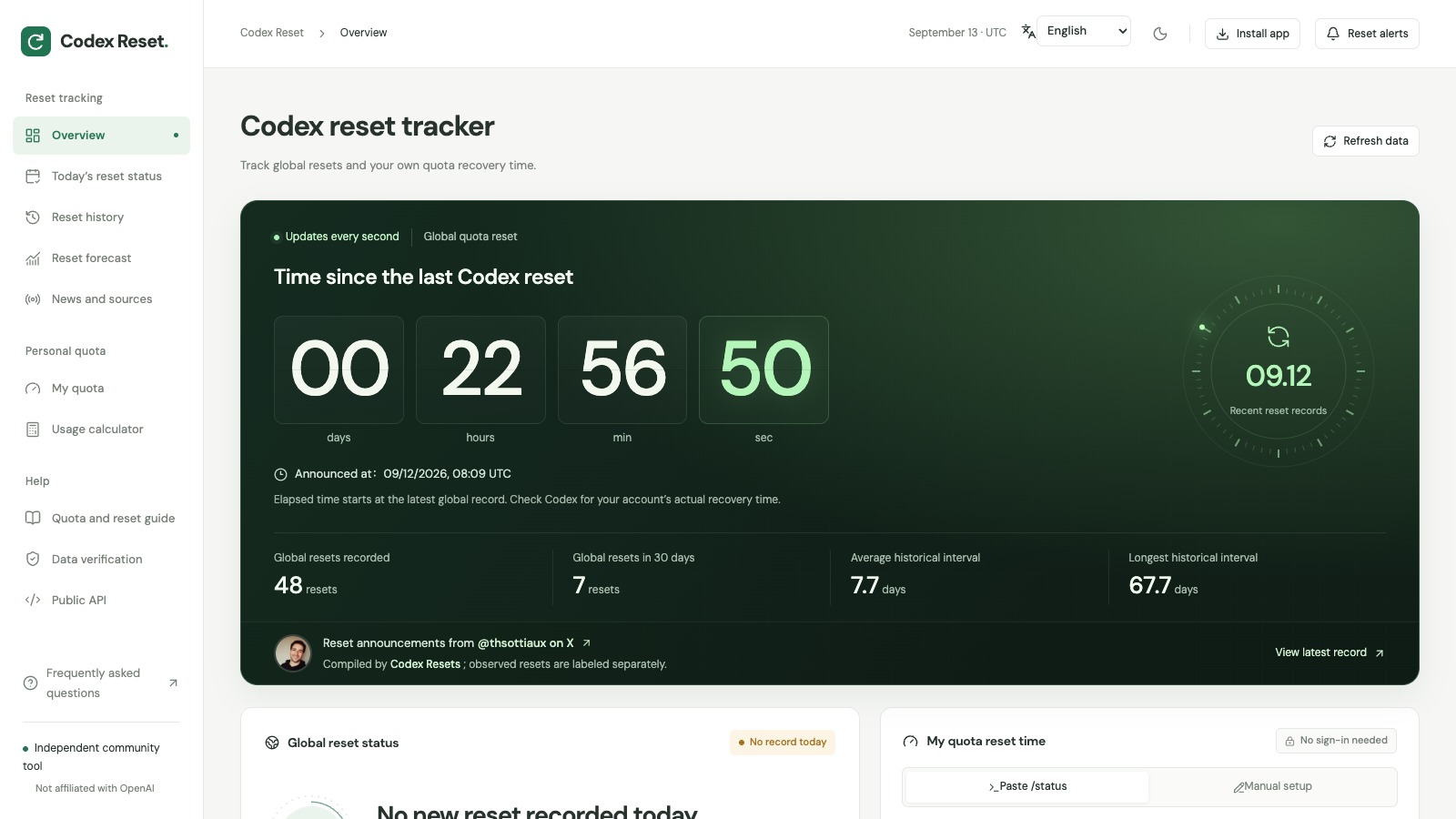 CodexDeveloper WorkflowsSep 13, 2026
Use Codex Reset to track your quota reset time, check global reset announcements, and plan your remaining usage without sharing your OpenAI login.

OpenAI is retiring GPT-5.3-Codex-Spark. Here is why the 1,000+ token/s coding model mattered, what changed, and what developers should use next.

OpenAI’s Agents API turns the Codex harness into a managed agent runtime with long sessions, subagents, tools, sandboxes, and self-hosted compute.