
FastVLMSep 24, 2026
SHARP demo: explore the results
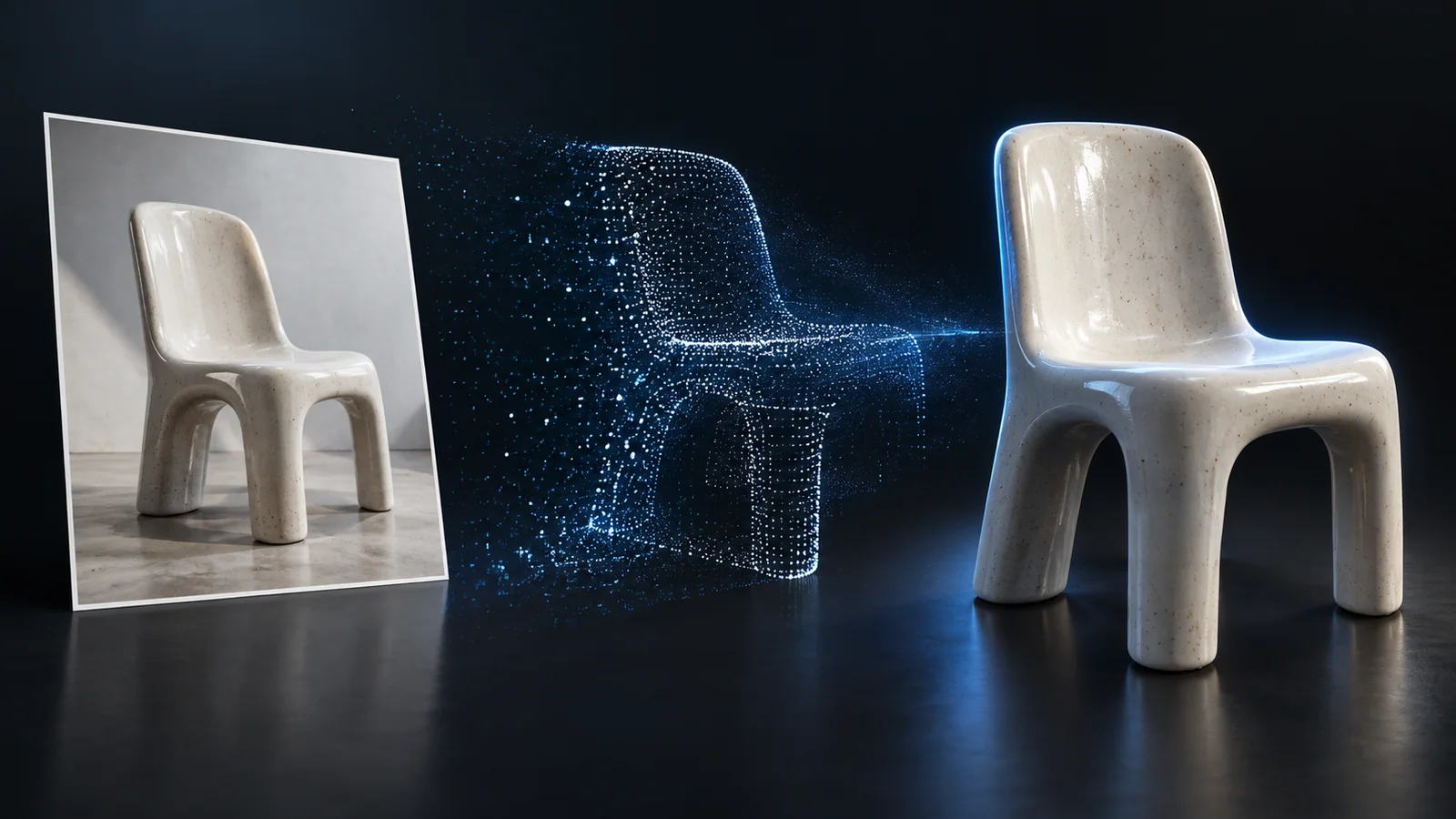
See Apple’s single-image view synthesis examples, then generate a 3D Gaussian representation from your own photograph locally.
Read article
Latest reviews, launch notes, workflow guides, and insights across the AI IDE ecosystem.
 AI Coding AgentsAI VideoConsumer AIFastVLMGPT-OSSLocal AIOpen-Weight ModelsTRAETraeIDE ArchiveTraeIDE GuidesClaude CodeCodexDeveloper WorkflowsAI BuildersBrowser AgentsAgent InfrastructureAnthropicCognitionCursorLovableOpen SourceOpenAIReplit
See Apple’s single-image view synthesis examples, then generate a 3D Gaussian representation from your own photograph locally.
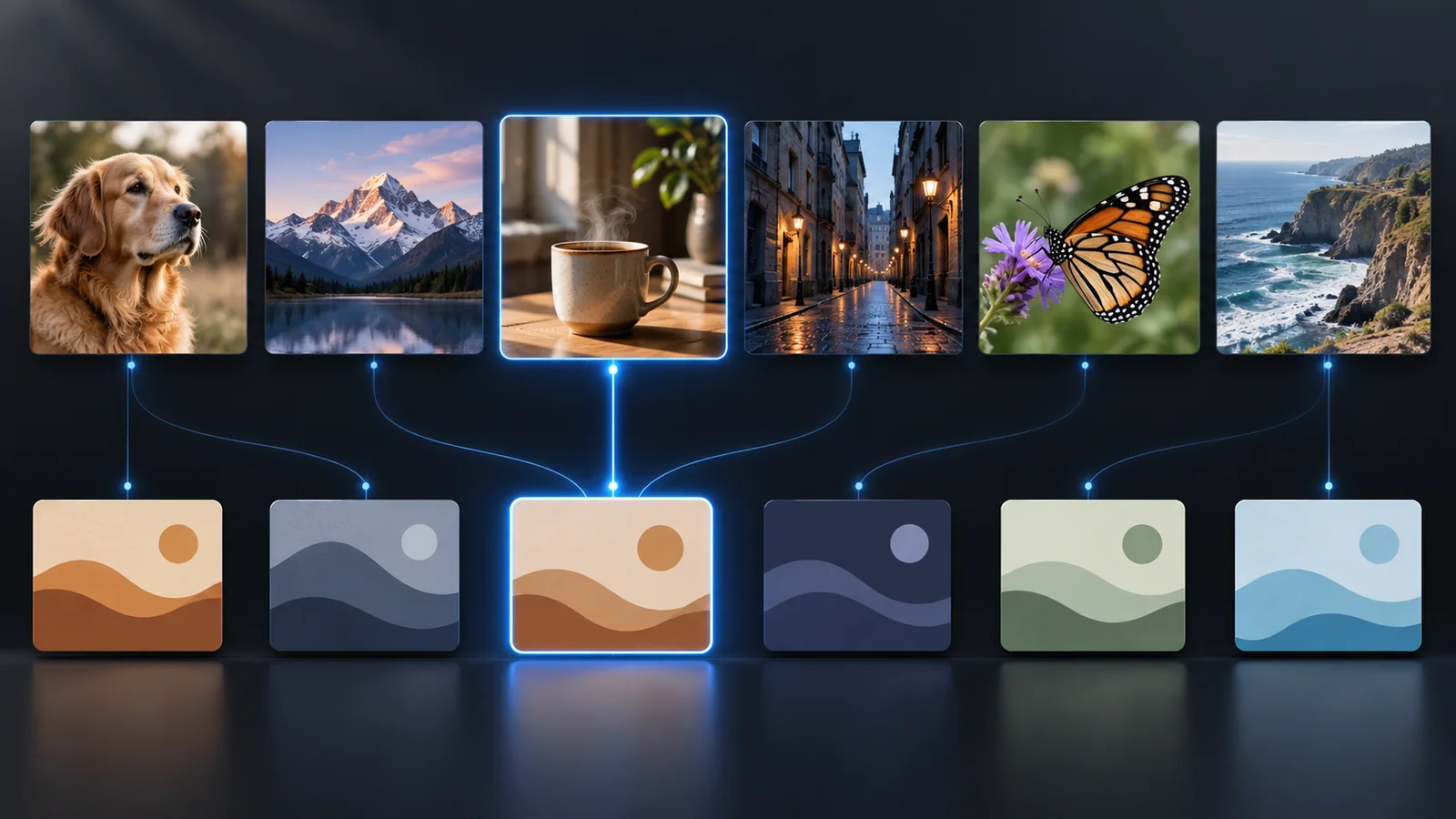
Compare sentences against an image with CLIP embeddings in your browser. See cosine similarity and softmax probabilities from Apple MobileCLIP.
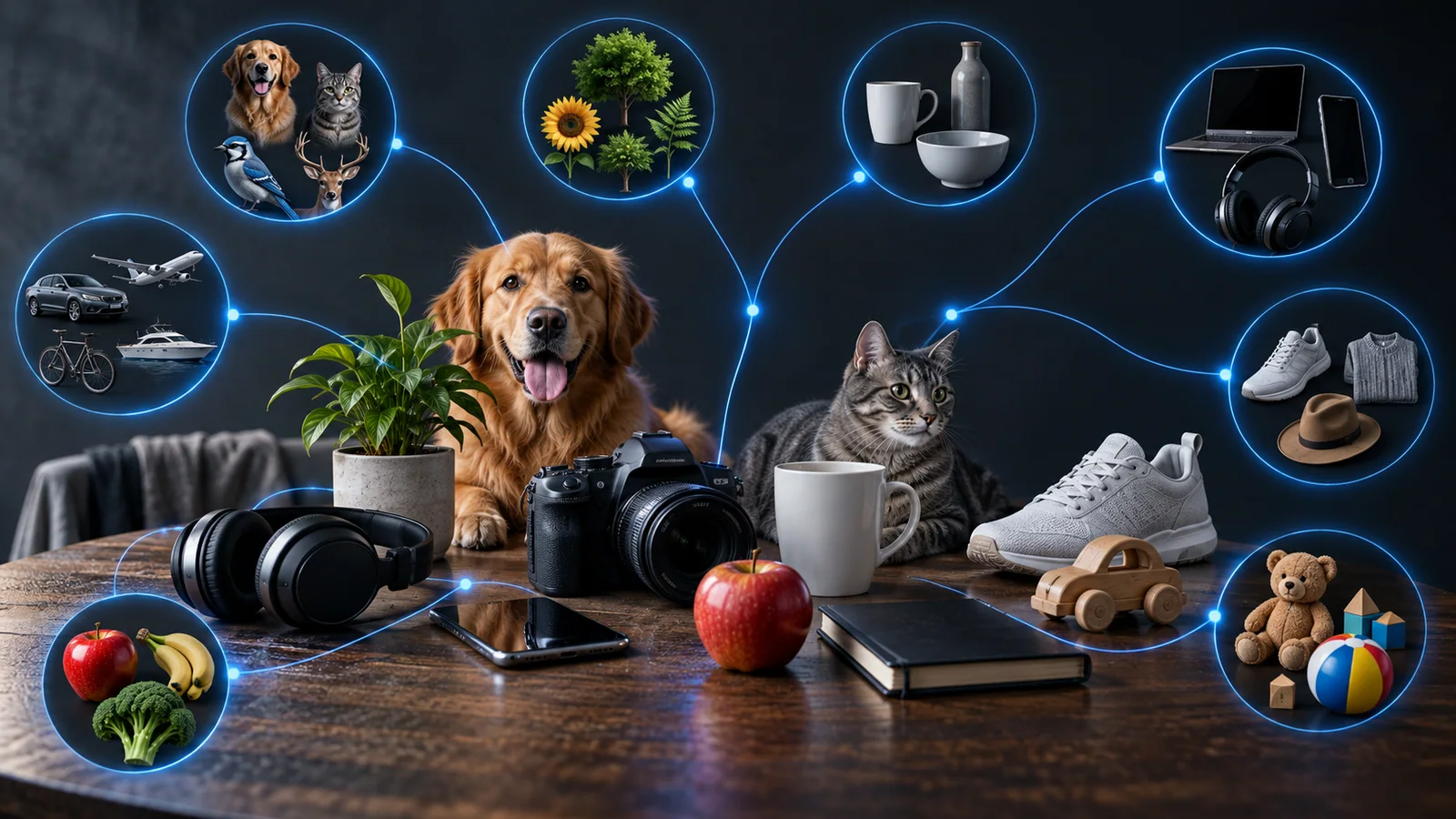
Upload an image, type any labels and get ranked probabilities in your browser with Apple MobileCLIP. No training, no upload, no account.

Upload a photo and generate a depth map in your browser with Apple Depth Pro or Depth Anything V2. Metric depth, focal length estimate, colormaps and PNG download. No upload to a server.
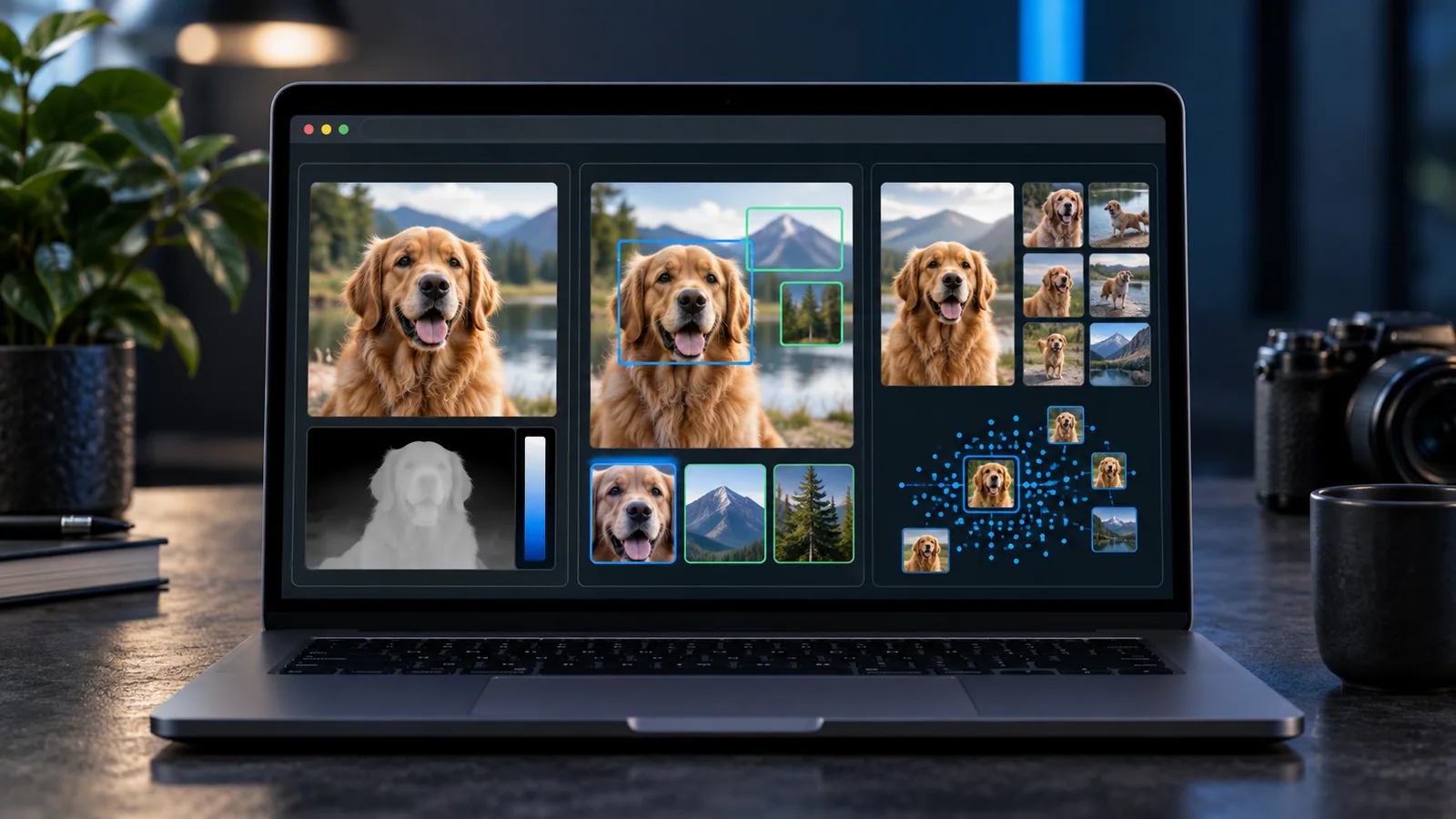
Browser tools powered by Apple vision models: depth map generator, zero-shot image classifier, image–text similarity, image Q&A and a device benchmark. Images never leave your device.
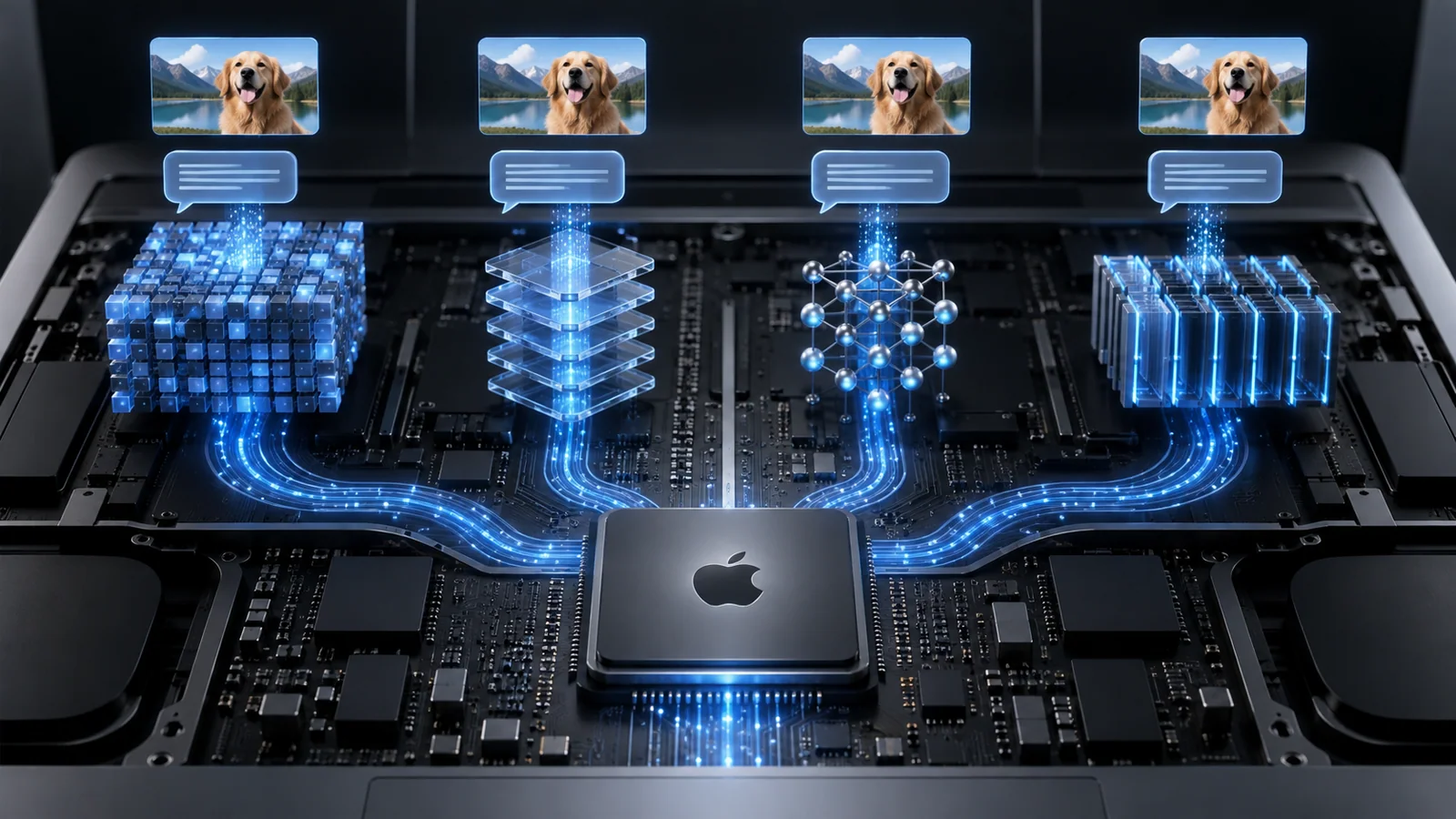
Confused by Apple’s ML options? The Foundation Models framework, Core ML and its WWDC26 successor Core AI, MLX and a concrete model like FastVLM solve different problems. Compare what each is, what you ship, where it runs and when to use it.
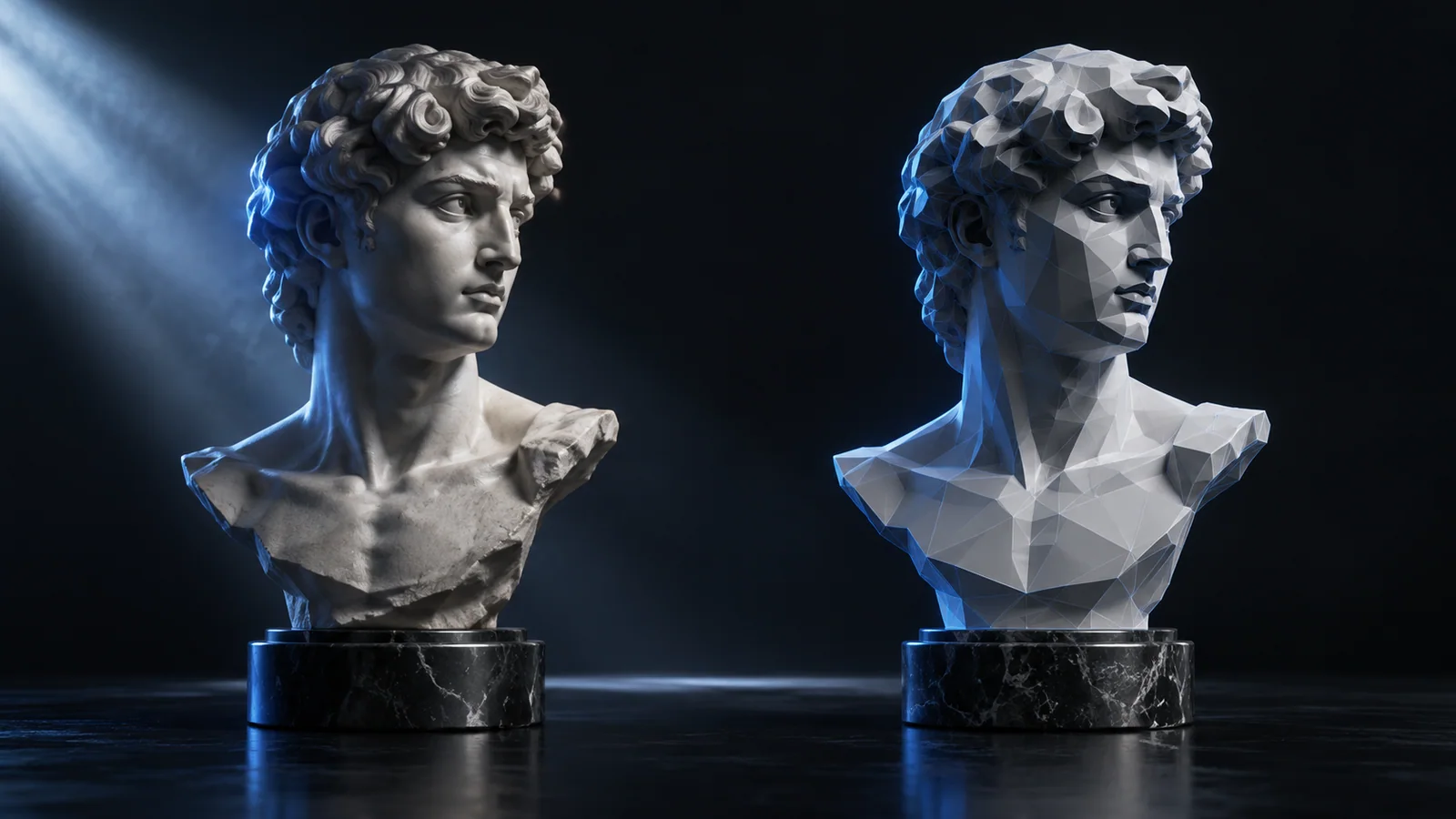
SHARP reconstructs a photo into 3D Gaussians for nearby-view synthesis in under a second; Luce generates relightable PBR assets from an object image. Inputs, outputs, speed, code availability and which to use.
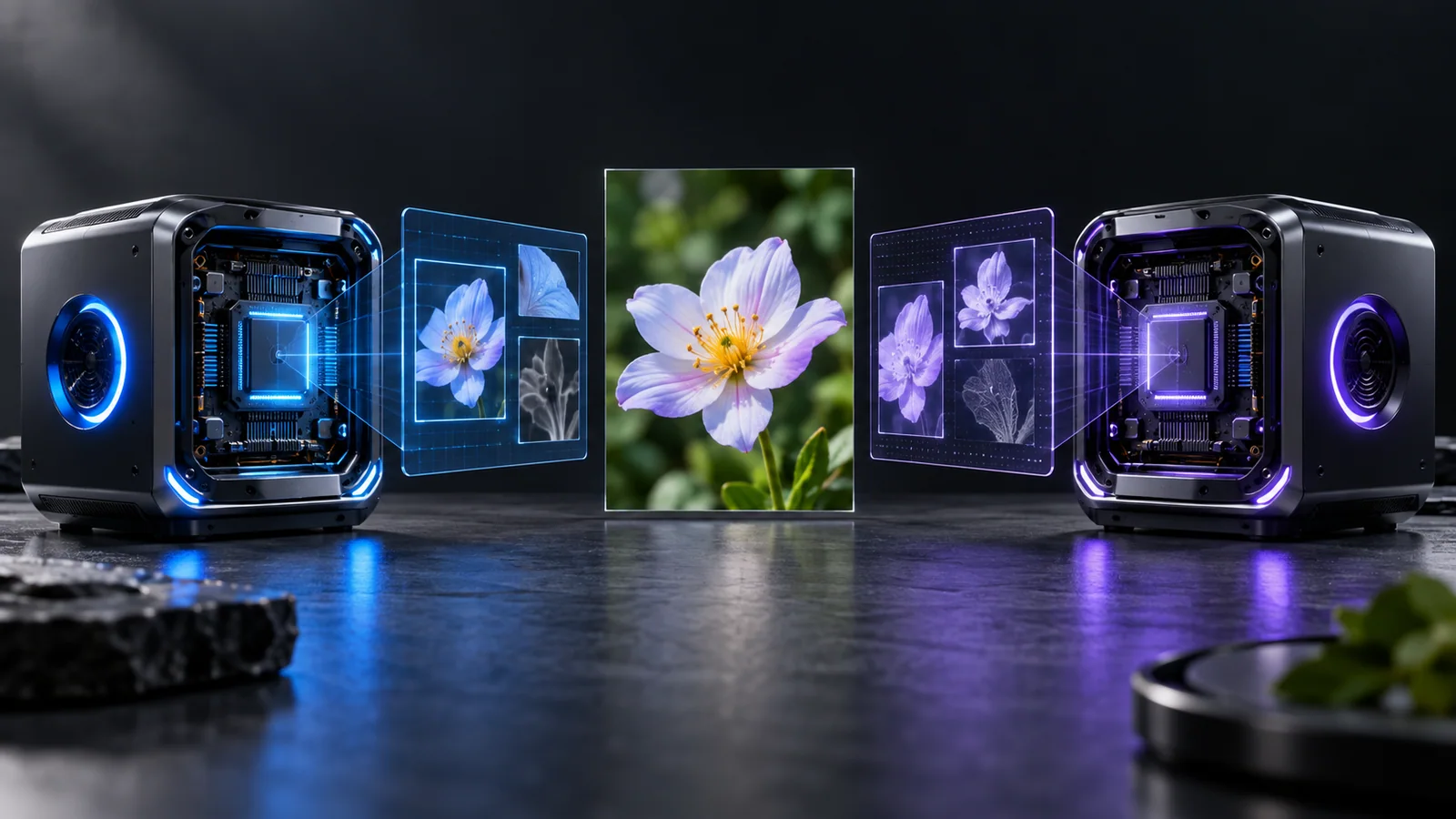
Apple FastVLM compared with Google’s on-device Gemma 4 (E2B/E4B, April 2026) and Gemma 3n: modalities, context, browser and MLX support, licenses and which to choose.
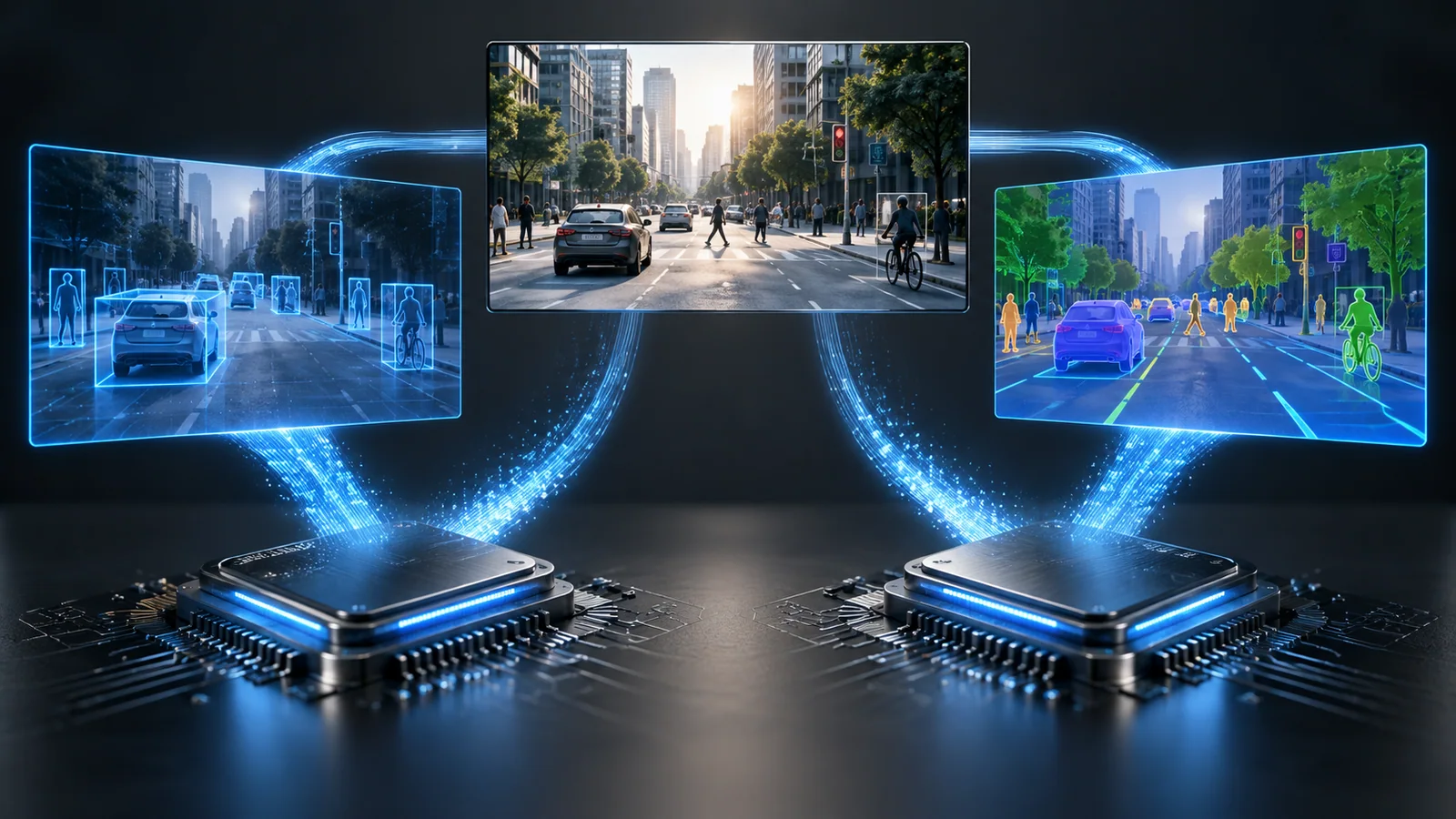
FastVLM (0.5B–7B) versus Liquid AI’s LFM2.5-VL (450M and 3B, 2026): grounding, tool calling, multi-image, browser and llama.cpp support, reported speed and licenses.
FastVLM (Apple, 0.5B–7B) and SmolVLM2 (Hugging Face, 256M–2.2B) compared: sizes, image and video support, browser and MLX runtimes, vision encoders, licenses and when to pick each.
A source-qualified reading of Apple’s reported FastVLM-0.5B and LLaVA-OneVision-0.5B comparison.
On 24 synthetic images, S0 and S2 classified the same 21 correctly. S0 had lower warm latency on this machine. This small diagnostic set did not reveal an accuracy benefit from S2.
Use Apple’s official iOS/macOS demo project as the starting point for an on-device FastVLM application.
Choose between the official MLX demo workflow and exported Apple Silicon model resources.

A browser test of receipts, charts, interfaces, small English text, Chinese posters and shape counting. Inspect all original images, fixed questions, expected answers and unedited model outputs.
Build local image Q&A with FastVLM and Transformers.js. Download a complete WebGPU starter with streaming, cancellation, progress and JSON export.
Run a complete FastVLM image-question script with pinned Transformers dependencies, checkpoint guidance and fixes for common first-run errors.
Understand FastVLM Stage2 and Stage3, select the 1.5B checkpoint for your runtime, and follow Apple's native app and PyTorch setup paths.
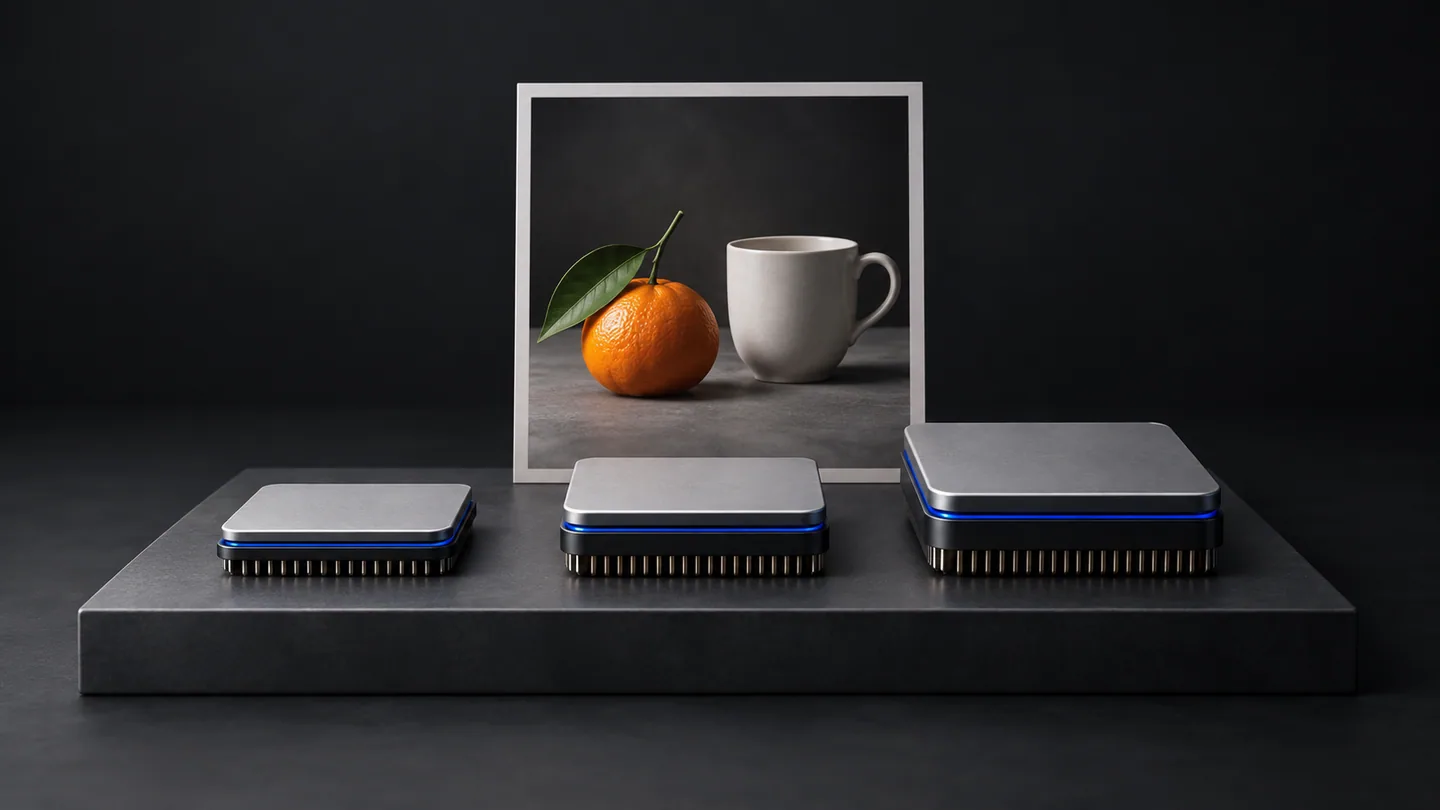
Compare FastVLM sizes, official benchmark scores and checkpoint formats. Choose the right download for Python, Apple Silicon or the browser.
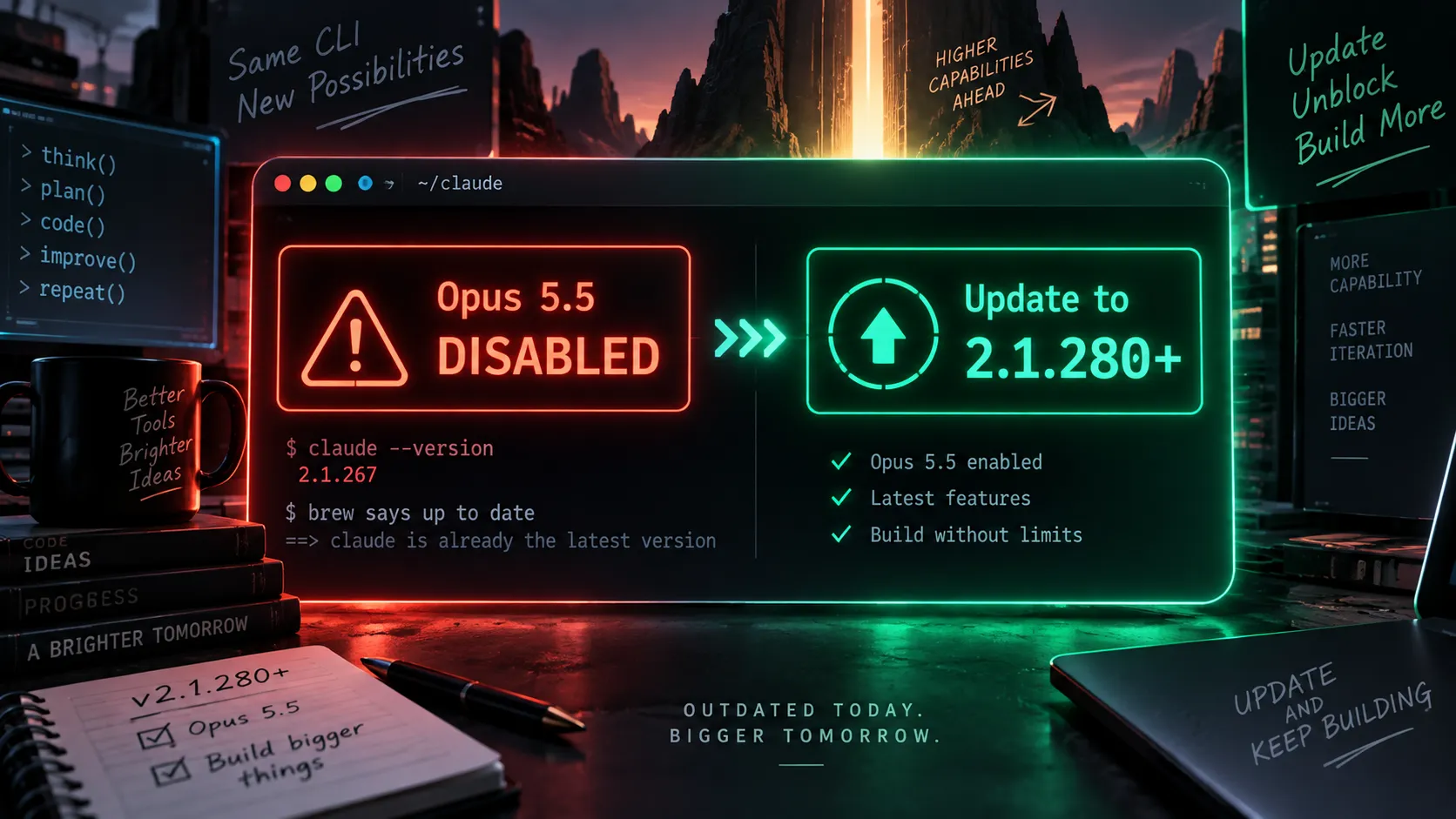
Seeing Opus 5.5 disabled in Claude Code? Learn why Homebrew can lag behind 2.1.280 and how to upgrade safely on macOS.