

OpenAI Agents SDK
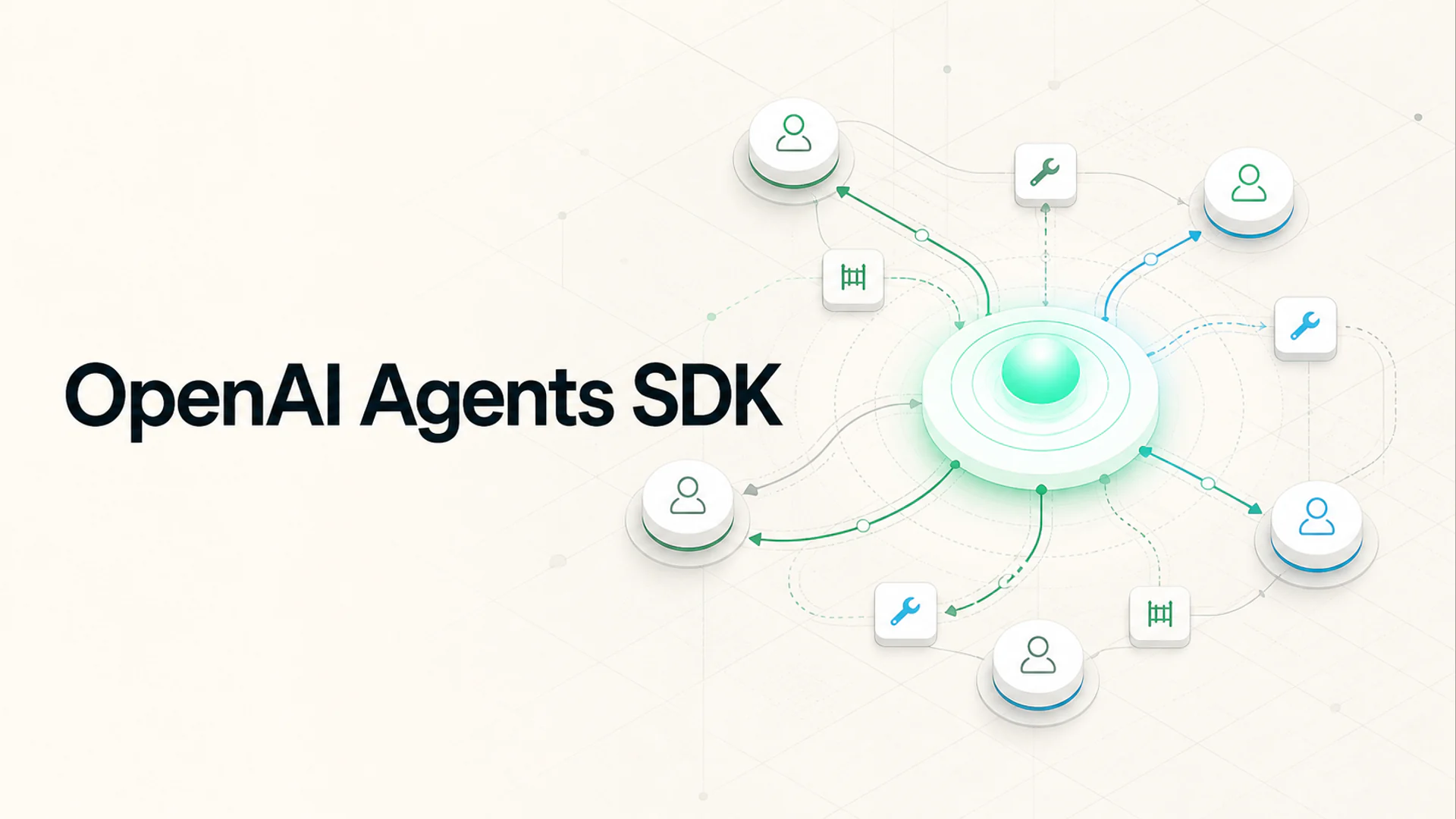
OpenAI’s lightweight SDK for tool-using agents, handoffs, guardrails, and observable execution.
Information checked: Aug 14, 2026 ·View sources
Tool details
- Type
- Developer workflows
- Platforms
- Python, Server applications, Realtime applications
- Free plan
- Yes
- Open source
- Yes
- Bring your own key
- Yes
- Local models
- No
Overview
Best for
- OpenAI API agent applications
- Multi-agent handoffs
- Tool calling with tracing
- Realtime agent experiences
Strengths
- Small set of understandable agent primitives
- Built-in tracing and guardrail concepts
- Good fit for teams already using OpenAI APIs
Limitations & trade-offs
- No-code agent building
- Local-only model deployments
- Teams requiring a provider-neutral abstraction first
- API and hosted-tool usage is separate from the free SDK
- Developers remain responsible for evaluation, permissions, and failure handling
- OpenAI-centric defaults may not suit provider-neutral architectures
Get started
Pricing & usage limits
Free tier available
The SDK is open-source.
OpenAI API calls, hosted tools, realtime usage, and external services are billed separately.
Pricing checked: Aug 14, 2026 · Subscription, usage limits, and model costs may be billed separately.
Features & details
Core primitives
- Agents with instructions and tools
- Handoffs between specialized agents
- Guardrails for input and output checks
State and integration
- Sessions for conversation state
- MCP server connections
- Hosted and custom tools
Production visibility
- Built-in tracing
- Realtime agent support
- Sandbox and human-in-the-loop patterns
OpenAI Agents SDK Review
OpenAI Agents SDK is a lightweight open-source framework for building tool-using agents with handoffs, guardrails, sessions, MCP connections, tracing, and realtime capabilities. It offers explicit primitives rather than a large application framework.
What OpenAI Agents SDK Is
OpenAI’s lightweight SDK for tool-using agents, handoffs, guardrails, and observable execution. The product is most useful when its workflow matches the surrounding engineering process, permissions, and review model.
Core Capabilities
Core primitives
- Agents with instructions and tools
- Handoffs between specialized agents
- Guardrails for input and output checks
State and integration
- Sessions for conversation state
- MCP server connections
- Hosted and custom tools
Production visibility
- Built-in tracing
- Realtime agent support
- Sandbox and human-in-the-loop patterns
Best Use Cases
- OpenAI API agent applications
- Multi-agent handoffs
- Tool calling with tracing
- Realtime agent experiences
Pricing
- SDK: $0 — The SDK is open-source.
- Model and tool usage: Usage-based — OpenAI API calls, hosted tools, realtime usage, and external services are billed separately.
Pricing and quotas can change. The values above were checked against official product material on 2026-08-14.
Advantages
- Small set of understandable agent primitives
- Built-in tracing and guardrail concepts
- Good fit for teams already using OpenAI APIs
Limitations
- API and hosted-tool usage is separate from the free SDK
- Developers remain responsible for evaluation, permissions, and failure handling
- OpenAI-centric defaults may not suit provider-neutral architectures
Privacy and Operational Notes
The SDK can send prompts, tool inputs, traces, and session state to configured services. Keep secrets out of traces, scope tool permissions, and apply the appropriate OpenAI API data controls.
OpenAI Agents SDK Alternatives
The most relevant comparison set is Agent Development Kit (ADK), Pydantic AI, LangChain, Microsoft Agent Framework. Compare the products by execution environment, model flexibility, repository access, review controls, deployment model, and total usage cost rather than by headline feature count alone.
Verdict
OpenAI Agents SDK is a good default for Python teams that want explicit agent primitives and strong tracing without adopting a heavyweight orchestration framework.
Official Sources
Model support & data privacy
Privacy & data handling
The SDK can send prompts, tool inputs, traces, and session state to configured services. Keep secrets out of traces, scope tool permissions, and apply the appropriate OpenAI API data controls.
Guides, reviews & fixes
View allNo published guides yet. Start with the official documentation above.
Product updates
No verified product updates listed yet. Follow this tool to see new relevant content in Saved.
See the content timelineAlternatives
Sources & verification
Verification dates record when this directory checked the information. Product release dates appear separately above.
Directory revision history
Created from current official product information with normalized branding, pricing, capabilities, and comparison metadata.